Building a scalable fulfillment system requires more than just adding inventory space or hiring additional staff. It involves creating a structured environment where goods can move efficiently from receiving to storage to shipping without unnecessary delays or bottlenecks. As businesses grow, the ability to adapt warehouse operations becomes a critical factor in maintaining customer satisfaction and controlling costs.
One of the most important components in this process is storage infrastructure. Properly designed storage systems influence how quickly orders are processed, how accurately inventory is managed, and how effectively space is utilized.
In many operations, warehouse pallet racks serve as the backbone of organized storage, enabling businesses to scale without sacrificing efficiency. By supporting vertical storage, improving accessibility, and streamlining workflows, these systems help create a foundation for long-term operational success.
Understanding Scalable Fulfillment Systems
A scalable fulfillment system is designed to handle increasing order volumes without requiring a complete overhaul of existing processes. This means that as demand grows, the system can accommodate higher throughput through incremental improvements rather than disruptive changes. Key elements of scalability include flexible storage solutions, efficient workflows, and the ability to integrate new technologies as needed.
Scalability also depends on how well a warehouse can adapt to changing product lines, seasonal fluctuations, and evolving customer expectations. Businesses that fail to plan for growth often encounter congestion, delays, and inefficiencies that limit their ability to expand. A well-structured fulfillment system anticipates these challenges by incorporating modular design principles and adaptable infrastructure from the outset.
In addition, data visibility plays a significant role in scalability. Accurate inventory tracking, real-time order updates, and performance analytics allow managers to make informed decisions about resource allocation and process improvements. When combined with a flexible physical layout, these tools create an environment that supports continuous growth.
How Pallet Racks Support Scalability
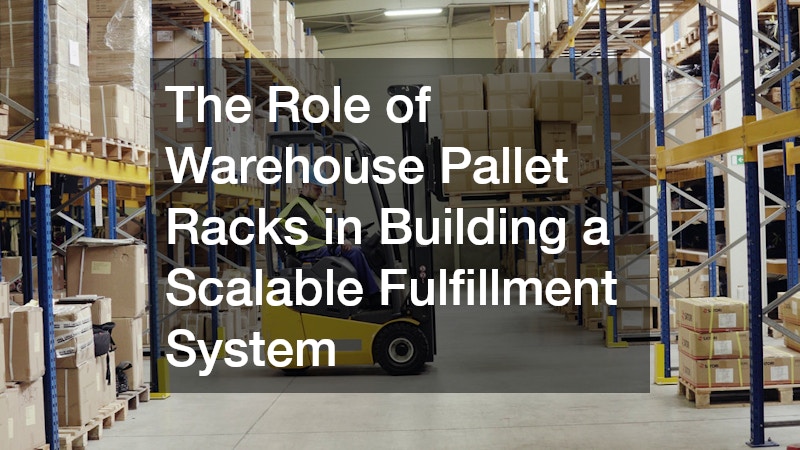
Storage systems are central to any fulfillment operation, and their design directly impacts how efficiently goods are handled. Warehouse pallet racks provide a structured method for organizing inventory in a way that maximizes vertical space while maintaining easy access to stored items. This approach allows businesses to store more products within the same footprint, reducing the need for costly facility expansions.
Beyond space utilization, these systems improve workflow by enabling clear organization of inventory based on product type, turnover rate, or demand patterns. High-turnover items can be placed in more accessible locations, while slower-moving goods can occupy higher or less frequently accessed positions. This strategic arrangement reduces travel time for workers and increases picking efficiency.
Scalability is further enhanced by the modular nature of pallet rack systems. As inventory grows, additional racks can be installed without requiring significant structural changes to the facility. This flexibility allows businesses to expand gradually while maintaining operational continuity. The ability to reconfigure storage layouts also supports changes in product mix or fulfillment strategies, ensuring that the warehouse remains aligned with business goals.
Optimizing Layout and Space Utilization
Efficient use of space is a key factor in building a scalable fulfillment system. A well-designed layout minimizes wasted space while ensuring that inventory is easily accessible and logically organized. Vertical storage solutions play a major role in achieving this balance, allowing warehouses to take advantage of ceiling height rather than relying solely on floor space.
A thoughtful layout also considers the flow of goods through the facility. Receiving areas should be positioned to allow quick unloading and inspection, while storage zones should be arranged to minimize travel distances. Picking and packing areas benefit from proximity to high-demand inventory, reducing the time required to fulfill orders.
Clear aisle spacing is essential for safe and efficient movement of personnel and equipment. Overcrowded aisles can lead to congestion, delays, and increased risk of accidents. By maintaining adequate clearance and organizing inventory strategically, businesses can create a layout that supports both productivity and safety.
Planning for Growth and Flexibility
A scalable fulfillment system must be designed with future growth in mind. This includes anticipating increases in order volume, product variety, and operational complexity. Flexible infrastructure allows businesses to adapt without requiring major redesigns or disruptions to daily operations.
Modular storage systems, adaptable layouts, and scalable technology solutions all contribute to long-term flexibility. As demand grows, additional storage capacity can be added incrementally, and workflows can be adjusted to accommodate new requirements. This approach minimizes downtime and ensures that operations remain stable during periods of expansion.
In addition, businesses should consider potential changes in distribution channels, customer expectations, and market conditions. A fulfillment system that can respond quickly to these changes is better positioned to maintain efficiency and competitiveness over time. By incorporating flexibility into both physical and digital systems, organizations can create a resilient foundation for sustained growth.
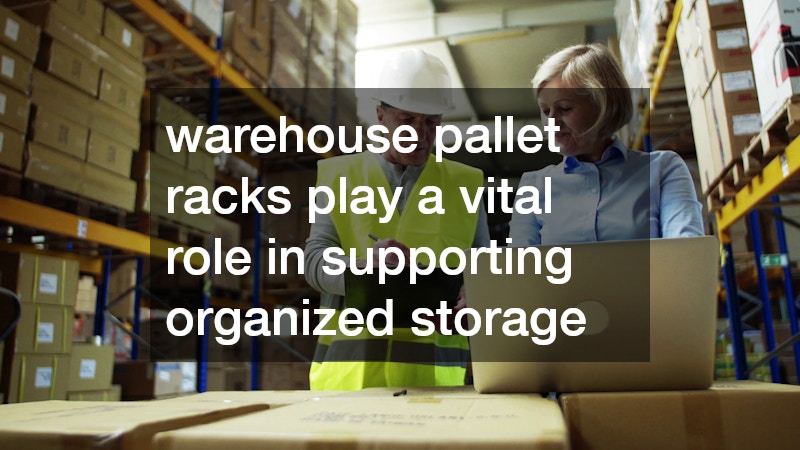
In this context, warehouse pallet racks play a vital role in supporting organized storage, maximizing space utilization, and enabling flexible expansion. Their modular design and accessibility make them a key component in building a fulfillment system that can evolve alongside business needs.
Ultimately, successful scalability depends on aligning physical infrastructure with operational strategy. When storage systems, workflows, and technology work together cohesively, businesses can handle growth more effectively, reduce operational bottlenecks, and maintain a consistent level of service as they expand.